
Hatshepsut — c. 1479-1458 BCE
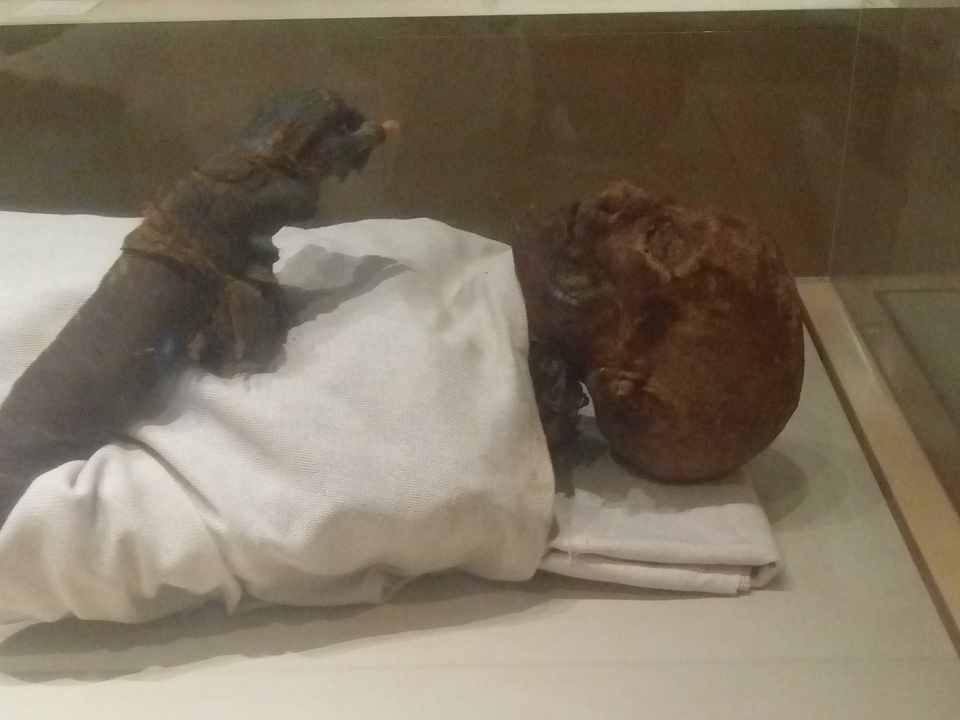
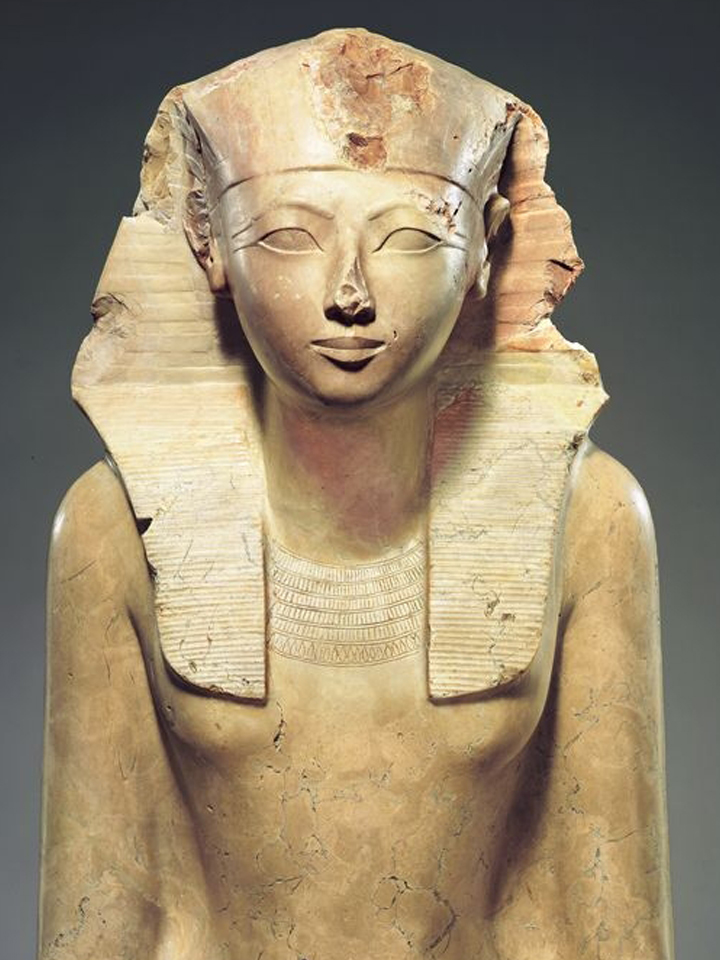
When Tuthmosis II died, his son, Tutmosis III was set to ascend to the throne. However, he was still a child. So, to buy him some time, his step-mother, Hatshepsut, became his co-regent, and took over some of his duties. Initially, portraits of the young king depicted Hatshepsut in humble clothing, positioned behind her step-son. But soon, she began to validate her own claims to power.
She commissioned friezes and other works of art that depicted the god Amun as her father, and she had herself portrayed with all the trappings of royalty, including a false beard. Hatshepsut carefully rewrote history with propaganda artwork emphasizing the god Amun’s direct support for her, and even claiming that her father, Tuthmosis I, anointed her as pharaoh.
As pharaoh, Hatshepsut appears to have stamped out uprisings in colonized territories before she turned her attention to more peaceful purposes. She became primarily focused on internal affairs and in restoring economic ties with old trading partners; the art of Hatshepsut’s tomb depicts trading expeditions to modern-day Somalia and the Sinai. She was also known for her restoration efforts for temples that had been lost to the enemy Hyksos people.
Hatshepsut’s first tomb, which was unfinished, was discovered in the early 1900s. Hatshepsut completed and was buried in a different tomb located, appropriately, in what was later developed into the Valley of the Kings.
Tuthmosis III, the step-son for whom Hatshepsut was regent and whose authority she eclipsed with her successful and long-lasting power grab, destroyed or erased many of Hatshepsut’s monuments after her death.

At-A-Glance
- Woman pharaoh of the first dynasty of the New Kingdom
- Fifth ruler of the 18th Dynasty
- Reign from c. 1479-1458 BCE