
First Intermediate Period
Dynasty VII-X
The Old Kingdom collapsed largely due to instability within the central government. Local leaders had gained a decent amount of power and no longer needed the resources of the pharaoh. On top of that, a climatic event caused the Nile River to be consistently low, preventing the fertilization of the nation’s farmlands.
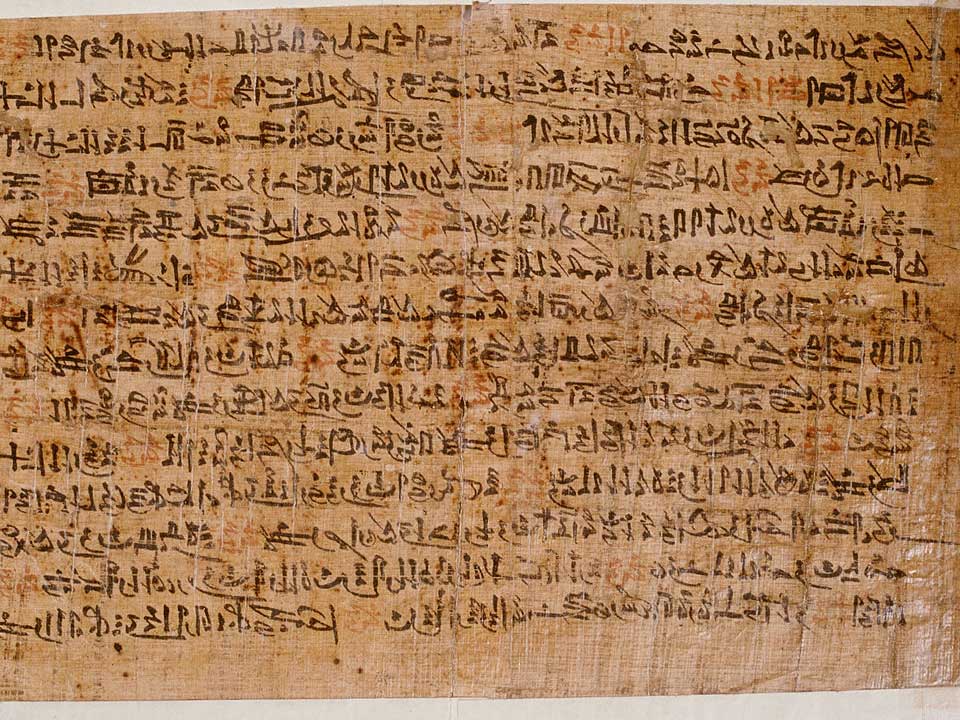
Egypt entered a period of chaos. Upper and Lower Egypt were once again separated, and while there were pharaohs, they were ineffectual and changed frequently. According to writings from that time, crime was rampant. In the Ipuwer Papyrus, a piece of literature by the poet Ipuwer, who described life at this time, he laments, “Would that it were the end of men, no conception, no birth!”
It wasn’t until Upper Egypt won in battle against Lower Egypt that the nation was once again unified and the Middle Kingdom could begin.

At-A-Glance
- The fall of the Old Kingdom was spurred by increased reliance on local leaders.
- While there were pharaohs, they didn’t rule over a unified Egypt, and they were ineffectual and changed frequently.
- An important piece of literature from this time is the Ipuwer Papyrus, which lamented the failings of the king, and the high rate of crime and disorder.