
Late Period Egypt
Dynasty XXVI-XXXI
This era is the last in which Egypt is ruled by native Egyptians. After the Assyrians were defeated, the 26th Dynasty of kings, referred to as the Saite Dynasty, assumed the throne. Their main concern was with stabilizing Egypt rather than building an empire. There was some expansion, but nothing near the size it had been during the New Kingdom.
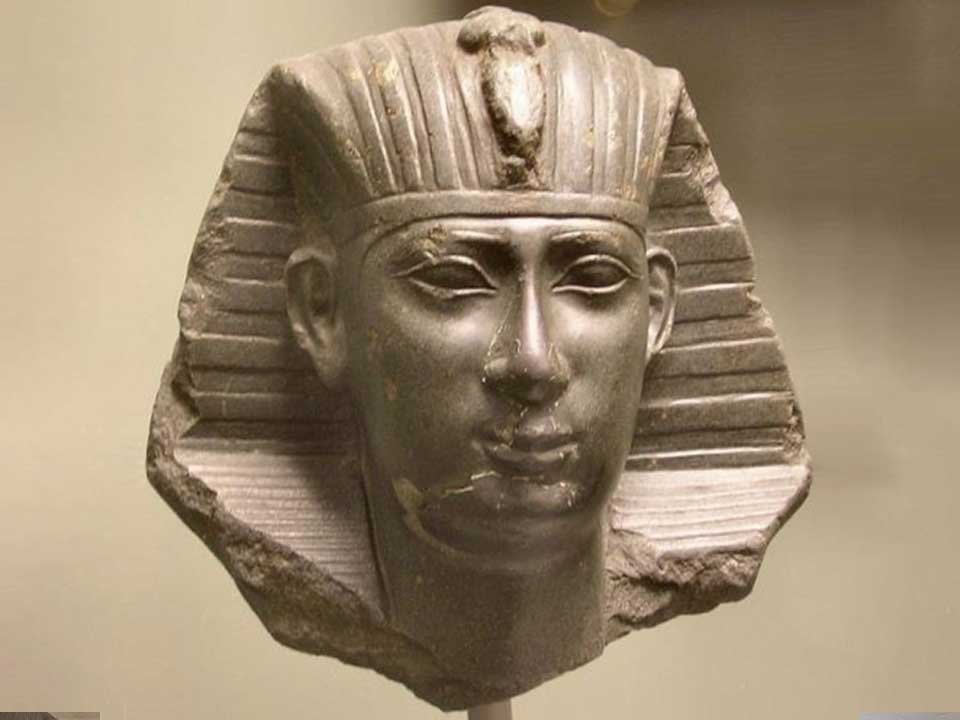
Bolstered by millennia of cultural tradition and influenced by the cultures who occupied Egypt in the Third Intermediate Period, art flourished. During the Saite Dynasty, artists favored styles that were popular in the Old and New Kingdom as way of strengthening a sense of cultural identity–a practice which was furthered by the foreign rulers of the Persian Period (Dynasty XXVII). The artistic canon became less strict, and artists were enabled to create pieces that were more naturalistic, or true to life. The significantly more relaxed writing script, demotic, was also developed at this time.
In 525 BCE, the Persian Empire conquered Egypt. While they did refer to themselves pharaohs, the leaders the Persian Empire placed in charge were more like governors, called satraps. While they did introduce new irrigation systems, build temples, and improve public works, Egyptians chafed under Persian rule.
In 404 BCE, they were ejected by a coalition of local Egyptian kings, a success which only lasted around 60 years. The Persians defeated them yet again in 343 BCE, only for Alexander the Great to absorb the Persian Empire just 11 years later. Egypt became a part of the Macedonian Empire by default, and no native Egyptian pharaoh was to ever sit on the throne again.

At-A-Glance
- The Saite Dynasty (Dynasty XXVI) frequently drew upon inspiration from Old and New Kingdom history
- Egypt was conquered by Persia twice: once in 525 BCE and once in 343 BCE
- The last native Egyptian pharaoh was Nectanebo II, who reigned from 360-343 BCE